
The Future of UX: Trends That Will Shape 2025 and Beyond
As technology continues to evolve, so does the field of User Experience (UX) design. The digital landscape is shifting towards more immersive, intelligent, and user-centric experiences. Looking ahead to 2025 and beyond, several key trends are poised to redefine how users interact with products and services. Here’s a look at the UX trends that will shape the future.
Trends

1. AI-Driven Personalization
Artificial Intelligence (AI) is becoming a game-changer in UX. In 2025, AI-powered systems will offer hyper-personalized experiences by analyzing user behavior in real-time. Adaptive interfaces will adjust content, design, and functionality based on individual preferences, making digital interactions more intuitive and efficient.
2. Voice and Conversational Interfaces
The rise of smart assistants like Siri, Alexa, and Google Assistant has paved the way for voice interactions to become mainstream. UX designers will need to prioritize voice-first experiences, ensuring seamless interactions through natural language processing (NLP). As voice UIs become more sophisticated, designing for multimodal interactions — where voice, text, and visuals work together — will be essential.
3. Extended Reality (XR) Experiences
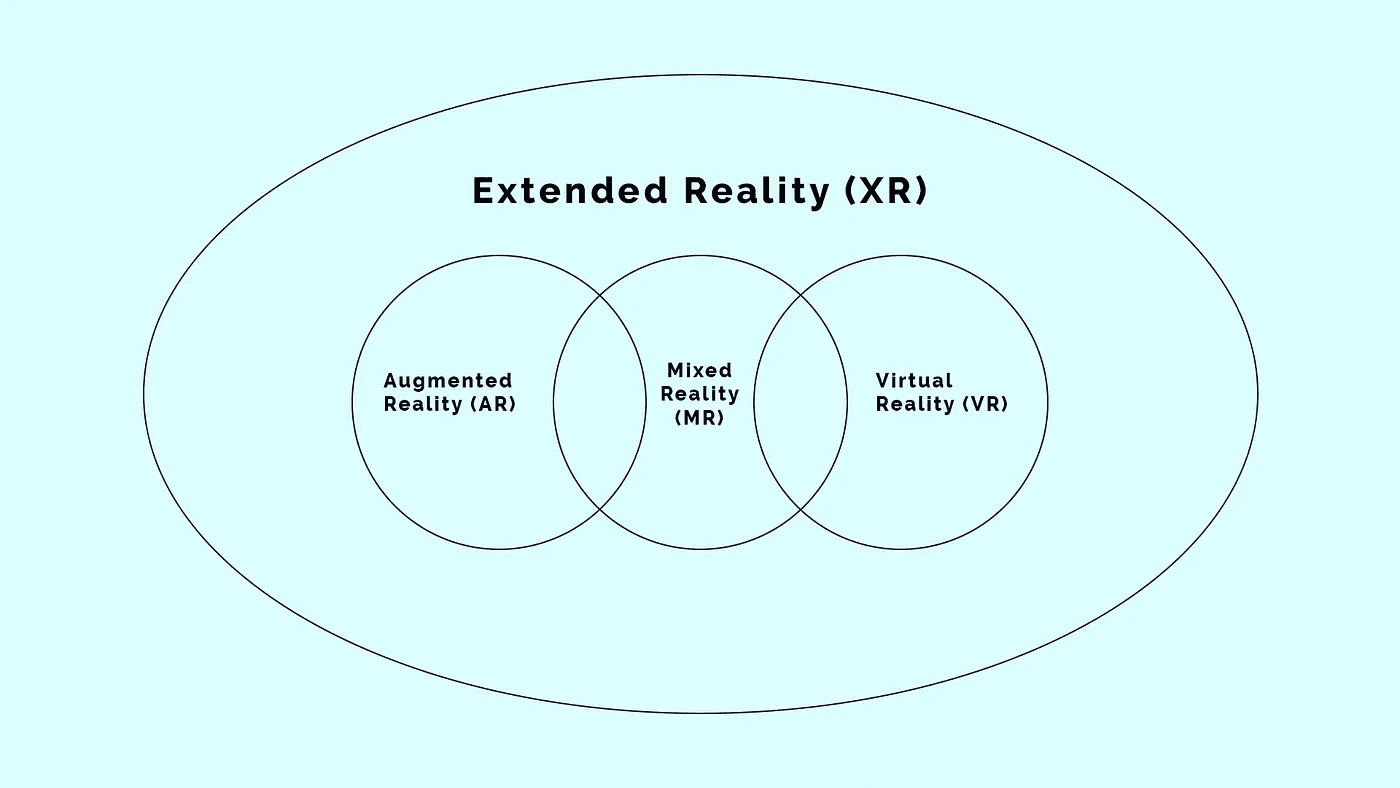
With advancements in Augmented Reality (AR), Virtual Reality (VR), and Mixed Reality (MR), UX will extend beyond screens. Industries such as e-commerce, education, and healthcare will leverage XR to create immersive experiences. Designers must rethink interaction models to provide users with intuitive and engaging virtual environments.
4. Ethical and Inclusive Design

As digital products reach a global audience, accessibility and inclusivity will be at the forefront of UX design. Companies will invest in ethical AI, ensuring that algorithms are free from biases and promote fairness. Designing for neurodiverse users, individuals with disabilities, and different cultural backgrounds will become a standard practice.
5. Zero UI and Invisible Design
The concept of Zero UI — where interfaces become less visible and more seamless — will gain traction. Gesture-based interactions, ambient computing, and AI-driven automation will reduce the need for traditional screens and interfaces. UX designers will need to focus on designing experiences that feel natural and frictionless.
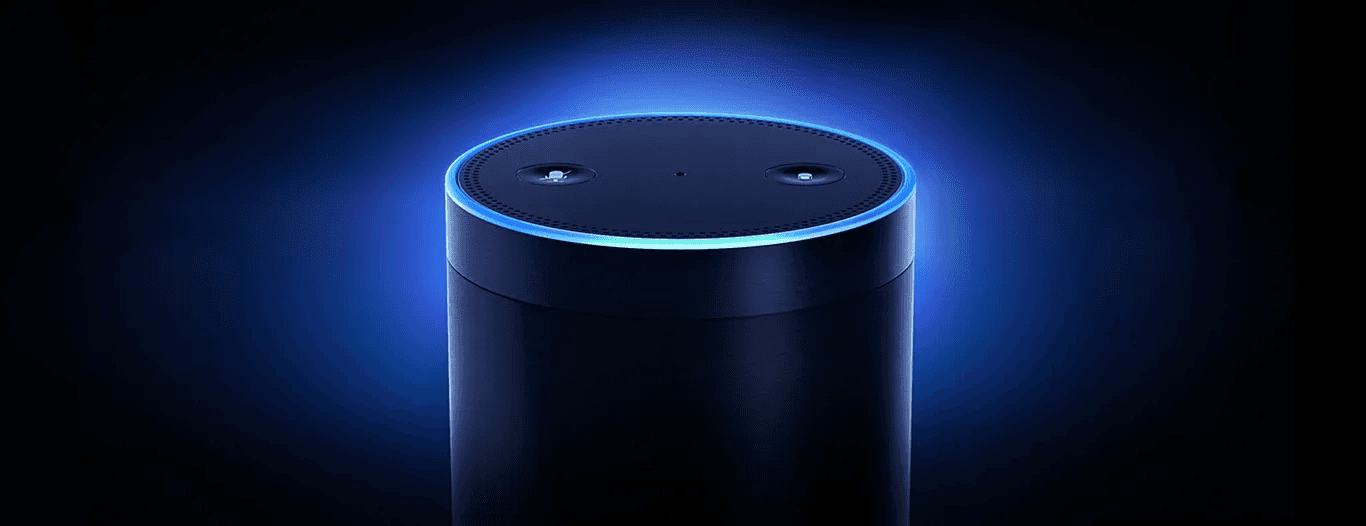
Example for Zero UI: Amazon Echo and Google Home
6. Emotion-Driven Design
Future UX strategies will leverage biometric sensors, facial recognition, and sentiment analysis to gauge user emotions in real-time. Products will adapt based on a user’s mood, enhancing engagement and satisfaction. Emotion AI will play a significant role in crafting personalized experiences that resonate with users on a deeper level.
7. Sustainable and Ethical UX
Sustainability is no longer a choice but a necessity. UX designers will need to consider environmental impact by creating energy-efficient digital experiences. Dark mode, low-carbon websites, and minimalistic design approaches will help reduce digital waste. Ethical UX will also focus on reducing addictive design patterns and promoting user well-being.
8. The Rise of No-Code and Low-Code Platforms
The democratization of design and development will continue with the rise of no-code and low-code platforms. More professionals from non-technical backgrounds will be able to create digital products with drag-and-drop interfaces, accelerating the design and iteration process. UX designers will shift their focus from coding to experience strategy and optimization.
Final Thoughts
The future of UX is dynamic and deeply intertwined with technological advancements and user expectations. As we move toward 2025 and beyond, UX professionals must stay agile, embrace innovation, and prioritize human-centered design. The key to success will be designing experiences that are not only functional and aesthetically pleasing but also ethical, inclusive, and emotionally intelligent.
More to Discover


The Future of UX: Trends That Will Shape 2025 and Beyond
As technology continues to evolve, so does the field of User Experience (UX) design. The digital landscape is shifting towards more immersive, intelligent, and user-centric experiences. Looking ahead to 2025 and beyond, several key trends are poised to redefine how users interact with products and services. Here’s a look at the UX trends that will shape the future.
Trends
1. AI-Driven Personalization
Artificial Intelligence (AI) is becoming a game-changer in UX. In 2025, AI-powered systems will offer hyper-personalized experiences by analyzing user behavior in real-time. Adaptive interfaces will adjust content, design, and functionality based on individual preferences, making digital interactions more intuitive and efficient.
2. Voice and Conversational Interfaces
The rise of smart assistants like Siri, Alexa, and Google Assistant has paved the way for voice interactions to become mainstream. UX designers will need to prioritize voice-first experiences, ensuring seamless interactions through natural language processing (NLP). As voice UIs become more sophisticated, designing for multimodal interactions — where voice, text, and visuals work together — will be essential.
3. Extended Reality (XR) Experiences
With advancements in Augmented Reality (AR), Virtual Reality (VR), and Mixed Reality (MR), UX will extend beyond screens. Industries such as e-commerce, education, and healthcare will leverage XR to create immersive experiences. Designers must rethink interaction models to provide users with intuitive and engaging virtual environments.
4. Ethical and Inclusive Design
As digital products reach a global audience, accessibility and inclusivity will be at the forefront of UX design. Companies will invest in ethical AI, ensuring that algorithms are free from biases and promote fairness. Designing for neurodiverse users, individuals with disabilities, and different cultural backgrounds will become a standard practice.
5. Zero UI and Invisible Design
The concept of Zero UI — where interfaces become less visible and more seamless — will gain traction. Gesture-based interactions, ambient computing, and AI-driven automation will reduce the need for traditional screens and interfaces. UX designers will need to focus on designing experiences that feel natural and frictionless.
Example for Zero UI: Amazon Echo and Google Home
6. Emotion-Driven Design
Future UX strategies will leverage biometric sensors, facial recognition, and sentiment analysis to gauge user emotions in real-time. Products will adapt based on a user’s mood, enhancing engagement and satisfaction. Emotion AI will play a significant role in crafting personalized experiences that resonate with users on a deeper level.
7. Sustainable and Ethical UX
Sustainability is no longer a choice but a necessity. UX designers will need to consider environmental impact by creating energy-efficient digital experiences. Dark mode, low-carbon websites, and minimalistic design approaches will help reduce digital waste. Ethical UX will also focus on reducing addictive design patterns and promoting user well-being.
8. The Rise of No-Code and Low-Code Platforms
The democratization of design and development will continue with the rise of no-code and low-code platforms. More professionals from non-technical backgrounds will be able to create digital products with drag-and-drop interfaces, accelerating the design and iteration process. UX designers will shift their focus from coding to experience strategy and optimization.
Final Thoughts
The future of UX is dynamic and deeply intertwined with technological advancements and user expectations. As we move toward 2025 and beyond, UX professionals must stay agile, embrace innovation, and prioritize human-centered design. The key to success will be designing experiences that are not only functional and aesthetically pleasing but also ethical, inclusive, and emotionally intelligent.
More to Discover
The Future of UX: Trends That Will Shape 2025 and Beyond
As technology continues to evolve, so does the field of User Experience (UX) design. The digital landscape is shifting towards more immersive, intelligent, and user-centric experiences. Looking ahead to 2025 and beyond, several key trends are poised to redefine how users interact with products and services. Here’s a look at the UX trends that will shape the future.
Trends
1. AI-Driven Personalization
Artificial Intelligence (AI) is becoming a game-changer in UX. In 2025, AI-powered systems will offer hyper-personalized experiences by analyzing user behavior in real-time. Adaptive interfaces will adjust content, design, and functionality based on individual preferences, making digital interactions more intuitive and efficient.
2. Voice and Conversational Interfaces
The rise of smart assistants like Siri, Alexa, and Google Assistant has paved the way for voice interactions to become mainstream. UX designers will need to prioritize voice-first experiences, ensuring seamless interactions through natural language processing (NLP). As voice UIs become more sophisticated, designing for multimodal interactions — where voice, text, and visuals work together — will be essential.
3. Extended Reality (XR) Experiences
With advancements in Augmented Reality (AR), Virtual Reality (VR), and Mixed Reality (MR), UX will extend beyond screens. Industries such as e-commerce, education, and healthcare will leverage XR to create immersive experiences. Designers must rethink interaction models to provide users with intuitive and engaging virtual environments.
4. Ethical and Inclusive Design
As digital products reach a global audience, accessibility and inclusivity will be at the forefront of UX design. Companies will invest in ethical AI, ensuring that algorithms are free from biases and promote fairness. Designing for neurodiverse users, individuals with disabilities, and different cultural backgrounds will become a standard practice.
5. Zero UI and Invisible Design
The concept of Zero UI — where interfaces become less visible and more seamless — will gain traction. Gesture-based interactions, ambient computing, and AI-driven automation will reduce the need for traditional screens and interfaces. UX designers will need to focus on designing experiences that feel natural and frictionless.
Example for Zero UI: Amazon Echo and Google Home
6. Emotion-Driven Design
Future UX strategies will leverage biometric sensors, facial recognition, and sentiment analysis to gauge user emotions in real-time. Products will adapt based on a user’s mood, enhancing engagement and satisfaction. Emotion AI will play a significant role in crafting personalized experiences that resonate with users on a deeper level.
7. Sustainable and Ethical UX
Sustainability is no longer a choice but a necessity. UX designers will need to consider environmental impact by creating energy-efficient digital experiences. Dark mode, low-carbon websites, and minimalistic design approaches will help reduce digital waste. Ethical UX will also focus on reducing addictive design patterns and promoting user well-being.
8. The Rise of No-Code and Low-Code Platforms
The democratization of design and development will continue with the rise of no-code and low-code platforms. More professionals from non-technical backgrounds will be able to create digital products with drag-and-drop interfaces, accelerating the design and iteration process. UX designers will shift their focus from coding to experience strategy and optimization.
Final Thoughts
The future of UX is dynamic and deeply intertwined with technological advancements and user expectations. As we move toward 2025 and beyond, UX professionals must stay agile, embrace innovation, and prioritize human-centered design. The key to success will be designing experiences that are not only functional and aesthetically pleasing but also ethical, inclusive, and emotionally intelligent.